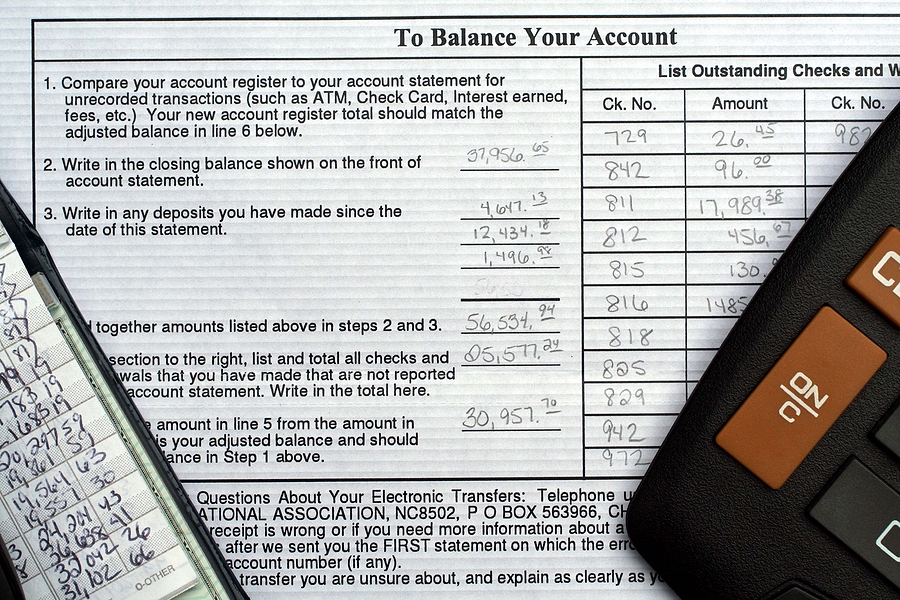
Your bookkeeping software says the business has $27,400 in checking. You log in to the bank and see $22,960.
That difference does not automatically mean the books are wrong. Several checks may not have cleared yet, or a deposit could still be processing. It could also mean you entered a payment twice, missed a bank fee, or money left the account without being recorded.
Bank reconciliation is how you find out.
The process compares the activity recorded in your books with the transactions shown by the bank. Every difference should have a reason. Once you reconcile the account, you have a much better idea of how much cash the business actually has and whether anything needs attention.
What Bank Reconciliation Compares
A reconciliation uses two records for the same account and time period.
The first is your bank statement. The second is the checking account register, or general ledger, in your bookkeeping software.
Your bookkeeper works through the deposits, card payments, checks, transfers, automatic withdrawals, interest, and fees. Transactions appearing in both places are matched. When the amounts differ, or an item appears in only one record, the bookkeeper investigates.
Posting dates do not always line up exactly. You may write a check on March 28 and record it that day, but the recipient may not deposit it until April. That check will appear in your books before it appears on the bank statement.
A reconciliation should account for that timing difference rather than deleting the payment simply to make the totals match.
What Can Happen When Accounts Stay Unreconciled
Including unreconciled bank accounts in reports compromises the quality of those reports. You’re working with inaccurate information that can make calculations for other parts of the business incorrect. Cash may look higher because the books do not include automatic withdrawals. Expenses may be too low because you missed fees and recurring payments. Revenue may be overstated because the same deposit was recorded twice.
These problems reach the balance sheet and profit and loss statement. They may also affect tax preparation, loan applications, budgets, and hiring or purchasing decisions.
Imagine approving a $15,000 equipment purchase because the books show $40,000 in checking. After reconciliation, you discover that $11,000 in outstanding checks has not cleared and another $4,000 payment was never entered.
The business was not working with $40,000 in available cash. It had closer to $25,000 before the equipment purchase.
That is why reconciliation is not simply a bookkeeping cleanup task. It affects the decisions you make with the numbers.
How Often Small Businesses Should Reconcile Accounts
For most small businesses, reconcile every bank and credit card account once a month after the statement closes.
Businesses with heavy transaction volume may need more frequent reviews. A restaurant, online store, or company operating with tight cash reserves may benefit from weekly checks in addition to the formal monthly reconciliation.
Do not stop with the primary checking account.
Savings accounts, payroll accounts, credit cards, business loans, lines of credit, PayPal, Stripe, and other payment platforms need regular review. An account with only a few monthly transactions can still contain an error that carries forward for years.
Monthly reconciliation also makes tax season easier. Instead of trying to correct an entire year at once, you’ve already reviewed and closed each month.
When Outsourced Bookkeeping Can Keep Records Accurate
Reconciliations often fall behind when the person responsible for bookkeeping also handles payroll, customer questions, purchasing, and several other jobs.
One missed month becomes three. Later, someone tries to reconcile the current statement without resolving the older differences. The account may appear finished, but unexplained balances continue moving forward.
An outsourced bookkeeper can work through those older periods in order, find where the discrepancy began, and correct the related entries. After the cleanup, the business can move to a monthly schedule that keeps the accounts current.
Improve Performance Tracking With Help From AF Bookkeeping
AF Bookkeeping helps small and medium businesses reconcile accounts, clean up older bookkeeping periods, and maintain financial reports that reflect what actually happened.
Schedule a virtual session with AF Bookkeeping to discuss your current records. We can help you spend less time explaining unexplained differences and more time using accurate numbers to run the business.